
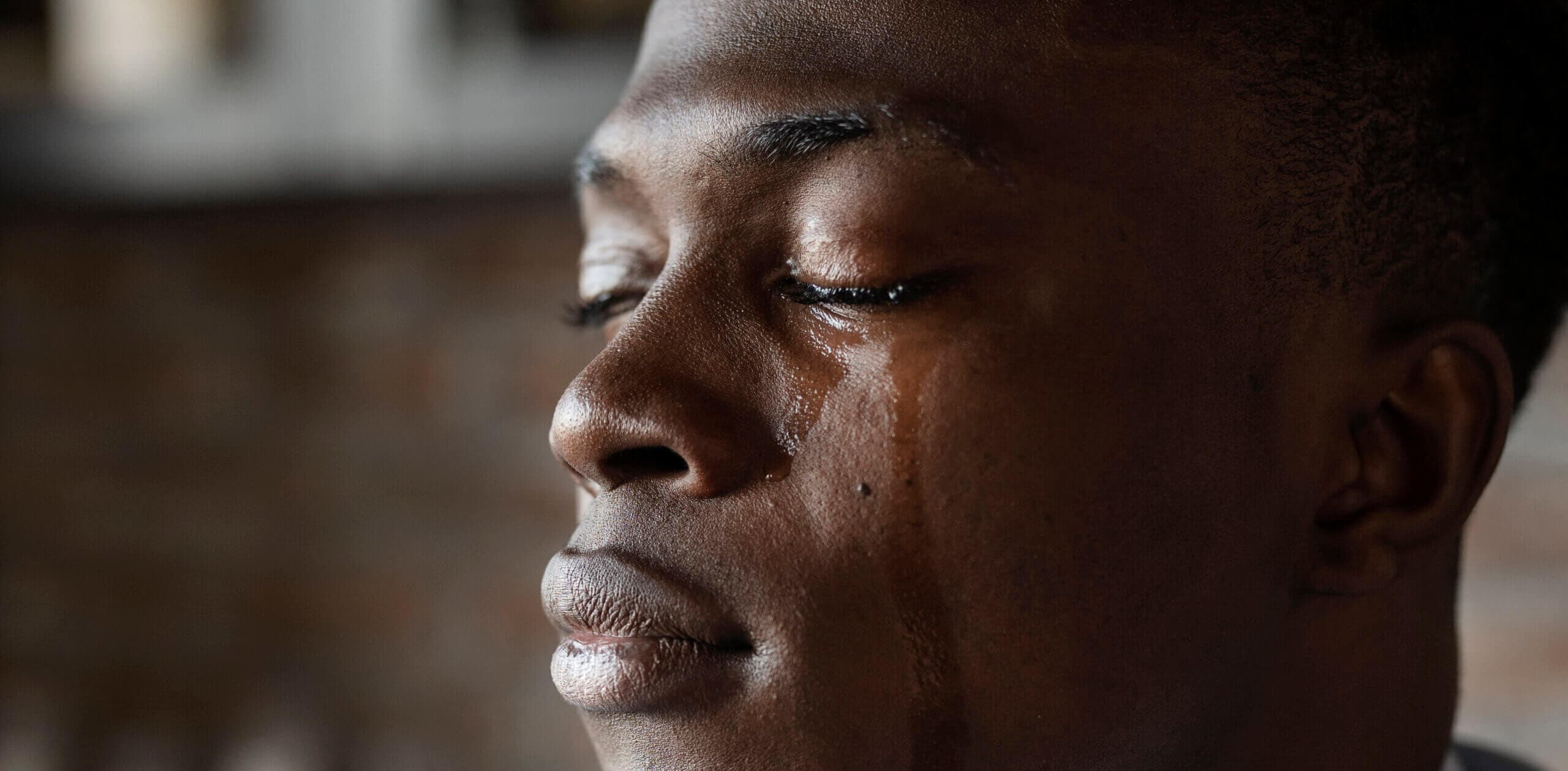
Bridging the gap between the visible and the tangible: an integrated analysis of mental health systems
Whether it is a physical injury that is slow to heal, a herd decimated by infectious diseases, a food shortage in households or the sudden loss of a loved one, these crises leave far more than just physical or economic scars; they are profound triggers of mental distress. Symptoms of depression and anxiety frequently accompany physical illnesses and manifest throughout the continuum of care. Research carried out in Taabo, Côte d’Ivoire, highlights this burden, showing that anxiety affects 25.5 per cent of patients treated at home by community health workers, rising to 49 per cent in health centres and reaching 77.4 per cent in general hospital settings where chronic conditions are prevalent.
“If we’d acted differently, he’d still be alive.” These words from a father mourning the loss of his child sum up the hidden tragedy of rabies. As part of the GAVI-PEP-PEV project implemented by Afrique One and its partners, field interviews in central and southern Côte d’Ivoire have revealed a severe psychological impact on families and carers. Parents and vaccinated patients who have been exposed face persistent anxiety, overwhelming guilt and severe social stigma. To cope, many flee their homes in search of comfort, whilst others endure their trauma in total silence, fearing the judgement of those around them.
This invisible trauma is just as evident when the disease affects livestock. Animals are much more than a source of income, food and financial stability. They are often cherished companions and a vital means of livelihood. When a herd is wiped out, the devastation strikes directly at the owner’s emotional core, proving that the true cost of disease is never merely material. In a revealing study of 350 farmers in Ghana, Afrique One found that losing livestock to disease takes a heavy toll on mental wellbeing. Farmers suffering catastrophic losses reported significantly lower psychological well-being than those who had escaped major impacts. This proves that investing in animal health and veterinary care goes far beyond safeguarding food supplies and income. It is a crucial investment in the emotional survival of rural communities. Whether tracking human or animal crises, Afrique One’s research points to an undeniable conclusion: mental health cannot be separated from everyday life. Animal diseases, environmental threats, food shortages, chronic illnesses and financial difficulties do not occur in a vacuum; they combine to take their toll on the human spirit.
“The data collected in the Afrique One research projects highlight various dimensions of vulnerability. They emphasise the need to look beyond superficial symptoms and take into account the structural determinants of well-being. Through the One Health approach, Afrique One offers an integrative framework that links disciplines, services and communities to tackle these crises effectively. Protecting mental health is therefore inextricably linked to the protection of living environments, economic livelihoods and social cohesion. ’ Prof. Bassirou Bonfoh, Director of Afrique One
To achieve comprehensive health and wellbeing, Afrique One emphasises the need to integrate the identification of psychological disorders and referral to appropriate services into community care, whilst improving access to early treatment for neglected tropical diseases and strengthening links between community health workers and health facilities.
Furthermore, efforts must focus on strengthening animal disease prevention and access to veterinary services for livestock farmers (for example, the vaccination programme), whilst actively supporting families and communities facing bereavement, illness or the loss of livelihoods. It is essential to involve communities directly in the response and to ensure that interventions take full account of their social, economic and cultural realities.
Read our paper on this topic, presented at the One Health World Congress in Lisbon, Portugal ➡️ https://youtu.be/MX-4mkTtHVU?si=wkhLTtl4AUntK6Gj
References ● Coulibaly ID, Kone BV, Lokonon BE, Koffi DY, N'krumah TASR, Nuvey FS, Vanga AF, Bonfoh B. Prevalence and associated factors of anxiety and depression among patients with wounds: an exploratory cross-sectional study within the Taabo Health and Demographic Surveillance System, Côte d’Ivoire. Global Health (Camb). 22 January 2026; 13:e29. doi: 10.1017/gmh.2026.10133. PMID: 41717355; PMCID: PMC12914471. ● Nuvey FS, Kreppel K, Nortey PA, Addo-Lartey A, Sarfo B, Fokou G, Ameme DK, Kenu E, Sackey S, Addo KK, Afari E, Chibanda D, Bonfoh B. Poor mental health among livestock farmers in Africa: a mixed-methods case study from Ghana. BMC Public Health. 1 June 2020; 20(1):825. DOI: 10.1186/S12889-020-08949-2. PMID: 32487132; PMCID: PMC7268426.
Media enquiries: Emmanuel Dabo, emmanuel.dabo@asca.africa